Siding Installation: Enhance Your Home's Curb Appeal and Value
Siding installation serves a vital function in shaping a home's exterior. It not only enhances curb appeal but also contributes to overall property value. Homeowners face important decisions regarding materials and styles. Choosing the right siding can greatly impact energy efficiency and long-term maintenance. Recognizing these considerations can lead to well-informed decisions. What should homeowners consider when starting this project?
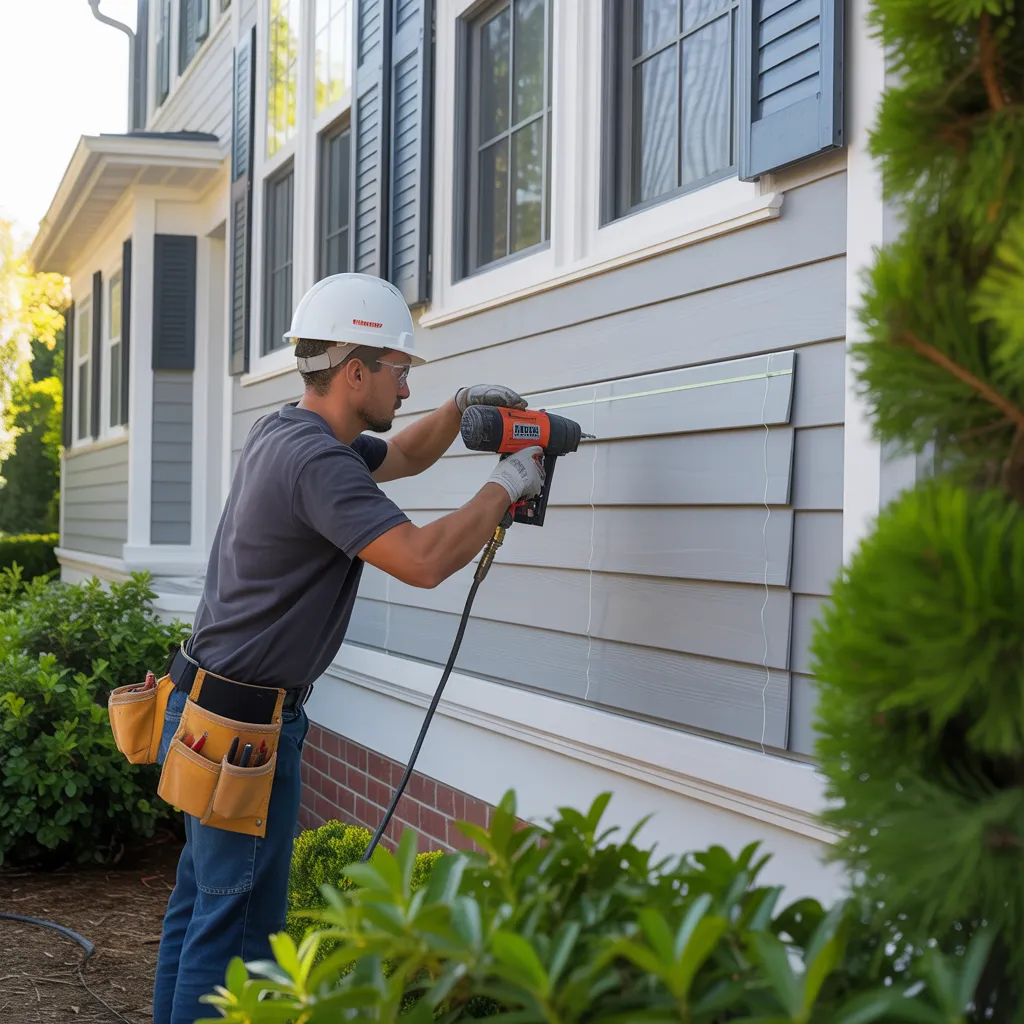
Why Siding Matters for Your Home's Value
Siding functions as a critical component in enhancing a property's total value. It not only enhances the home's visual appeal but also offers tangible benefits that can impact potential buyers. Carefully selected siding materials can enhance energy efficiency, reducing energy costs, which is appealing to homeowners. Moreover, siding protects the structural foundation from weather-related damage, thus prolonging the life expectancy of the home.
Properties that have quality siding tend to command greater resale values, as potential buyers recognize the reduced maintenance and improved curb appeal. Furthermore, contemporary siding choices, such as fiber-cement or vinyl, are designed to resist fading, warping, and pests, further ensuring lasting value. Quality siding can make a strong first impression, making it a smart investment for homeowners seeking to maximize their home's marketability and value.
How to Choose and Install the Right Siding for Your Home
Selecting the right exterior siding for a residence entails learning about numerous types of materials and the installation procedure. Each material delivers specific benefits and considerations that can affect both aesthetics and durability. A thorough method for the steps of installation guarantees a proper execution, elevating the residence's complete aesthetic and structural integrity.
Overview of Material Options
When identifying the perfect outer cladding for a home, property owners come across a selection of material options that can substantially influence both aesthetics and performance. Vinyl siding remains a top choice due to its budget-friendly nature and ease of maintenance, while wood provides a timeless appearance but demands greater maintenance. Fiber cement provides durability and resistance to pests, making it a strong contender for various climates. Metal siding, typically aluminum or steel, is recognized for its lasting quality and modern look. Additionally, brick and stone veneer add significant value and timeless appeal but come with higher installation costs. The decision ultimately copyrights on financial considerations, preferred aesthetics, and regional weather patterns, helping homeowners arrive at a thoughtful choice that improves their home.
Installation Procedure Steps
Selecting the right siding for a home demands a methodical approach that balances aesthetics, functionality, and installation requirements. Initially, homeowners get going should assess their local climate and architectural style, ensuring the chosen material matches their home's design and handles environmental conditions. Subsequently, they must calculate the exterior dimensions carefully to determine the quantity needed.
When the siding material is selected, surface preparation is critical, which includes repairs and thorough cleaning. A moisture barrier must be put in place to safeguard against moisture-related damage. Once that is complete, the siding pieces are trimmed to the correct dimensions and secured with appropriate fasteners, while maintaining precise alignment. Finally, homeowners should complete the installation using trim pieces and quality caulking to improve both durability and visual appeal, wrapping up a transformation that elevates curb appeal and home value.
Siding Materials Compared: Finding the Best Choice for Your Home
What siding material is most appropriate for a homeowner's requirements? Homeowners often face a variety of choices, each with distinct advantages. Vinyl siding stands out as a favored choice thanks to its economical price point and easy maintenance, making it especially suitable for budget-minded homeowners. In contrast, wood siding delivers a beautiful appearance and inherent insulation benefits yet necessitates routine care to ward off deterioration. Fiber cement siding merges long-lasting strength with a wood-like appearance, offering protection against pests and harsh weather, whereas stone and brick alternatives provide outstanding durability and classic elegance, though at a greater expense. Metal siding, often seen in modern designs, is also an option, known for its strength and fire resistance. In the end, the most suitable selection is determined by considerations including cost, local weather conditions, and preferred visual style. Homeowners ought to thoughtfully evaluate these factors to choose a siding material that boosts both their property's visual appeal and market value.
How New Siding Can Improve Your Home's Energy Efficiency
Upgrading to new siding can considerably boost a home's energy efficiency. Contemporary siding materials are engineered with superior insulation properties that assist in maintaining indoor temperatures, reducing the need for heating and cooling systems. For instance, insulated vinyl siding can remarkably lower energy bills by minimizing heat loss in winter and helping homes stay comfortable in summer.
Additionally, new siding materials often feature reflective coatings that help deflect direct sunlight, further lowering air conditioning expenses. Homeowners can select from various choices, including fiber cement and composite siding, which not only boost insulation but also withstand moisture and pest damage, increasing long-term durability.
Professional installation is critical to achieving peak energy efficiency. Gaps or poor sealing can undermine the benefits of upgraded siding. By investing in quality materials and professional installation, homeowners can enjoy a more comfortable living environment while simultaneously boosting their property's market value with enhanced energy efficiency.
What You Can Expect During the Installation Process
During the installation of new siding, homeowners can expect a well-coordinated process that unfolds in several key stages. First, the crew will carefully inspect the existing structure, ensuring that any necessary repairs are completed before the new siding is installed. After that, the old siding is systematically stripped away, followed by the installation of a moisture barrier to protect the materials beneath.
After these preparations have been completed, the new siding is installed, which may involve precise measurements and cutting to fit around doors and windows. Homeowners can look forward to seeing the siding being fastened with suitable hardware to guarantee durability. Throughout the process, workers will maintain a clean and organized workspace, reducing disturbance to the home. Finally, a detailed review is conducted to verify the installation meets quality standards, leaving homeowners with a revitalized outer surface that improves both the home's appearance and its market value.
Essential Tips for Maintaining Long-Lasting Siding Performance
To ensure optimal quality and lifespan of siding, a consistent cleaning routine is essential. Furthermore, periodic evaluations for deterioration can enable you to detect issues before they escalate. These proactive steps play a major role to preserving the condition and aesthetics of the siding surface over the long term.
Consistent Cleaning Schedule
Maintaining consistency in upkeep is vital for protecting the lifespan and appearance of siding. Creating a consistent cleaning regimen can substantially boost its performance and overall appearance. Homeowners are advised to wash their siding a minimum of twice annually, preferably in spring and fall. This routine helps remove dirt, mold, and mildew that can accumulate over time, preventing discoloration and damage. A gentle wash using a mixture of water and mild detergent is often sufficient. When dealing with difficult stains, a soft-bristle brush or a pressure washer operated on a low setting can be an effective solution. By committing to this cleaning schedule, homeowners can keep their siding in prime condition, which in turn supports the overall aesthetic appeal and property value.
Examine for Damage
Consistently checking siding for damage is vital for keeping it in optimal shape. Homeowners should check for evidence of damage, such as fractures, distortion, or chipping paint, which can indicate underlying issues. Moreover, the regions surrounding windows and doors are particularly vulnerable and should be inspected carefully. Water accumulation or mildew development may indicate that the siding has lost its protective effectiveness, warranting immediate attention. Regular checkups, especially after extreme weather events, can aid in spotting issues promptly, reducing the risk of significant repair costs later. It is equally important to watch for bug infestations or rotting indicators, as these can compromise the siding's functionality. Prompt upkeep ensures long-term durability and enhances the overall aesthetic of the home.
Common Questions and Answers
What Is the Typical Duration of Siding Installation?
Siding installation generally requires one to three days, influenced by the size of the home, the siding type selected, and current weather conditions. Homeowners ought to plan for possible setbacks if substantial repairs are needed prior to installation.
Can I Install Siding Myself or Hire a Contractor?
One can install siding independently provided they have the required skills and equipment; nevertheless, working with a contractor typically ensures superior quality and efficiency. Evaluating personal skills alongside professional experience is critical for ensuring a positive outcome.
Which Siding Colors Are Best for Increasing Property Value?
Classic shades like white, gray, and beige often enhance a home's market value, attracting a wider range of buyers. Vibrant colors can attract attention but could reduce the pool of interested buyers, making classic tones a safer investment for resale.
Does Siding Installation Require Permits or Inspections?
Siding installation often requires permits and inspections, depending on local regulations. Homeowners should consult with local authorities to identify the specific requirements, maintaining compliance and steering clear of potential penalties or complications during the installation.
How Can Siding Influence My Home Insurance Premiums?
Siding has the ability to affect home insurance costs by influencing risk evaluations. Durable materials may lower premiums, while less resilient options might elevate expenses. Insurance companies typically assess the siding's influence over overall property value and upkeep requirements.